Genetically Engineered War Dogs to Redefine Military Capabilities
A new venture backed by $200 million aims to engineer superior working dogs for defense, addressing a growing reliance on foreign-bred animals for U.S. operations.
By Jennifer Paige ·
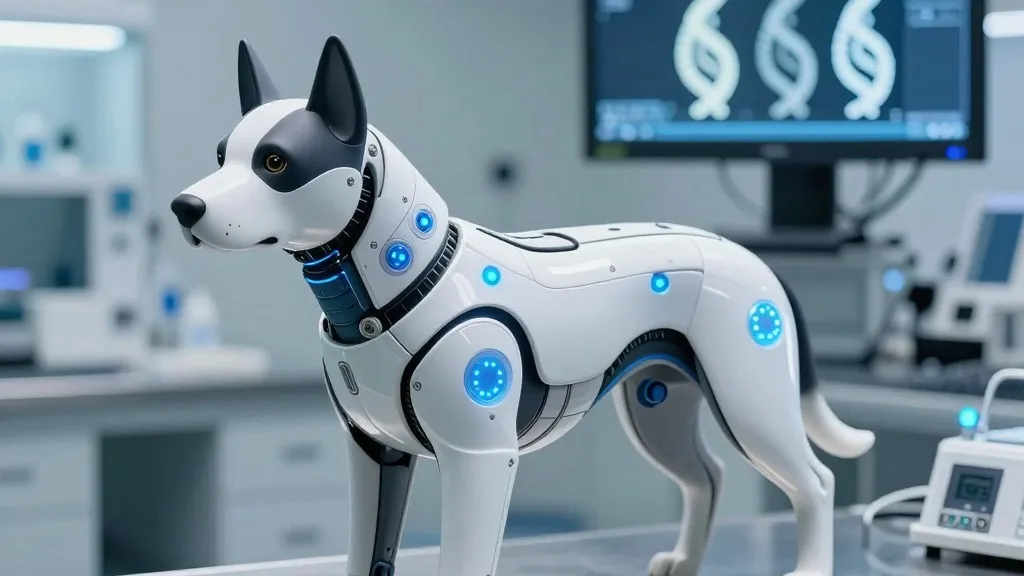
The United States military’s dependence on imported working dogs has created a logistical vulnerability that a new private venture seeks to resolve through genetic engineering. On Thursday, Warhound emerged from stealth mode, revealing a plan to design and produce specialized canines for defense and law enforcement sectors, supported by a significant financial injection that positions the company as a major player in the intersection of biotechnology and national security.
The startup secured $200 million in funding from a group of investors that includes Sequoia, 8VC, Corner Ventures, and In-Q-Tel, a venture capital firm backed by the CIA and other U.S. intelligence agencies. This investment round values the company at $1.2 billion, reflecting a strong market confidence in the potential of biologically enhanced assets for military applications.
The origins of the project trace back to a meeting approximately one year ago between Ben Lamm, co-founder of Colossal Biosciences, and Palmer Luckey, the founder of Anduril, at a conference. Luckey expressed concerns regarding the state of the military’s working dog population, prompting the two to maintain contact. Lamm subsequently investigated the breeding practices of military canines and identified that many fail to complete training due to inherited health issues, such as poor vision, cancer predispositions, hip dysplasia, and muscle atrophy.
Warhound intends to address these biological limitations by editing the genes of top-performing breeds, specifically the Belgian Malinois and German Shepherd. The team has established a biobank containing cell lines from these high-performing animals. Their goal is to create a new type of dog by adding genes that enhance performance, longevity, and specific sensory capabilities, such as olfactory acuity for bomb detection, while removing those that contribute to common health defects.
In addition to genetic modification, the dogs will be equipped with hardware and software provided by Anduril. This technology, described by Lamm as additions 'on top of the dog, not in the dog,' includes protective vests and goggles fitted with data sensors. These devices will relay real-time information to handlers, improving situational awareness and coordination during dangerous operations like searches and bomb disposal.
The partnership structure involves Colossal Biosciences, which holds equity in the business and licenses its gene-editing technology, while Luckey serves as a partner without owning equity. Colossal, known for its de-extinction efforts involving animals like the mammoth and dodo, will utilize its AI-driven gene cloning and identification tools to support the project. Viagen, another entity owned by Colossal, will handle the cloning process, leveraging a technology that boasts a high success rate and is already used in endangered species conservation.
Lamm indicated that the first batch of dogs is currently being cloned and incubated, with births anticipated in early 2027. The company aims to have these animals in service within two years. Potential clients include first responders, the Department of Defense, military service groups, and police forces, though pricing has not yet been established. The company has already briefed various government groups on its operations to navigate approval processes.
To address ethical concerns, Warhound is collaborating with the American Humane Society to certify its training programs. The society stated that it is pleased to have a seat at the table to ensure the animals are treated humanely, grounded in science and ethics. Additionally, the company hopes that retired dogs will enter the Society’s Military Working Dog Reunification Program, which provides homes for canines that have completed their service, ensuring a structured path for their post-military lives.
Source: TechCrunch